
Why Waterfront Redevelopment Projects Need an ALTA Survey
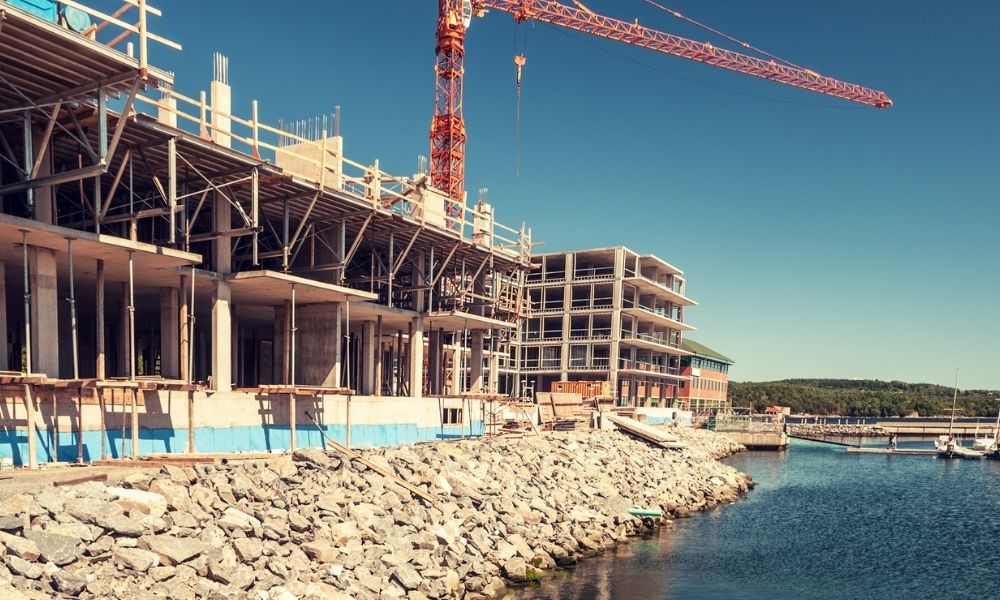
Waterfront Projects Move Fast, but Property Problems Move Faster
Old waterfront properties attract developers for a reason. Empty marina sites, aging retail buildings, former warehouses, and unused riverfront lots often sit in valuable locations. Once redevelopment starts nearby, interest spreads quickly.
New apartments appear. Restaurants open. Investors begin buying surrounding parcels before prices rise again.
Still, waterfront redevelopment creates problems that many buyers do not expect.
A property may look clean from the road, yet the legal records behind it can tell a completely different story. Shared driveways, old easements, utility access rights, and unclear boundary lines often stay hidden until the title review begins.
That is where an ALTA survey becomes important.
An ALTA survey gives buyers, lenders, attorneys, and title companies a detailed view of the property before closing. It helps confirm that the site matches the legal records and shows issues that could delay construction later.
Why Waterfront Properties Create More Survey Issues
Waterfront redevelopment sites often contain older records, changing shorelines, shared access areas, and utility easements that create title and boundary problems. An ALTA survey helps uncover these issues before closing so buyers can avoid delays, redesign costs, and legal disputes tied to commercial waterfront property.
Waterfront land changes over time.
Roads shift. Docks get rebuilt. Drainage systems expand. Utility companies install new lines. Different owners add retaining walls, fences, ramps, and parking areas over several decades.
Some changes never make it into the recorded documents.
That creates confusion during redevelopment projects.
A buyer may assume the property has direct access to a public road. Later, the title review shows part of that access crosses neighboring land. In other cases, parking areas extend beyond the actual property line.
Those problems can delay financing quickly.
Lenders want proof that the site matches the legal description. They also want to know if anything could affect future construction plans. An ALTA survey helps answer those questions before the closing process moves forward.
What an ALTA Survey Shows Before Closing
An ALTA survey combines field measurements, title records, easements, and site information into one detailed report. It helps buyers, lenders, and title companies identify access issues, encroachments, utility conflicts, and property line problems before a waterfront redevelopment project closes.
Many buyers think an ALTA survey only shows boundary lines.
It does much more than that.
The surveyor compares the title commitment with the actual site conditions. That process helps uncover conflicts between legal records and what exists on the property today.
An ALTA survey may show:
- Property boundaries
- Easements
- Access points
- Utility locations
- Encroachments
- Parking areas
- Building locations
- Rights-of-way
- Flood zone details
- Shared driveways
- Setback concerns
Developers rely on this information before finalizing project plans.
Lenders review it before approving funding.
Title companies use it before issuing title insurance policies.
The survey helps with property boundary verification before redevelopment plans move forward.
Old Easements Can Block Future Construction
Older waterfront properties often contain utility easements, drainage rights, and shared access agreements that limit where construction can happen. An ALTA survey helps identify these restrictions early so redevelopment plans do not face delays after closing.
Many redevelopment sites contain easements recorded decades ago.
Some easements allow utility companies to reach buried infrastructure. Others give neighboring properties legal access through part of the site.
These easements can affect future development plans in major ways.
A developer may plan a parking structure or retail building, only to learn later that a utility easement cuts through the middle of the project area.
That forces redesign work.
Permit approvals may slow down. Engineering costs can rise fast. In some cases, buyers must change the entire site layout after closing.
Most of these problems appear during the ALTA survey process.
That is why experienced commercial buyers usually order the survey early instead of waiting until the last stage of closing.
Waterfront Title Records Often Contain Mistakes
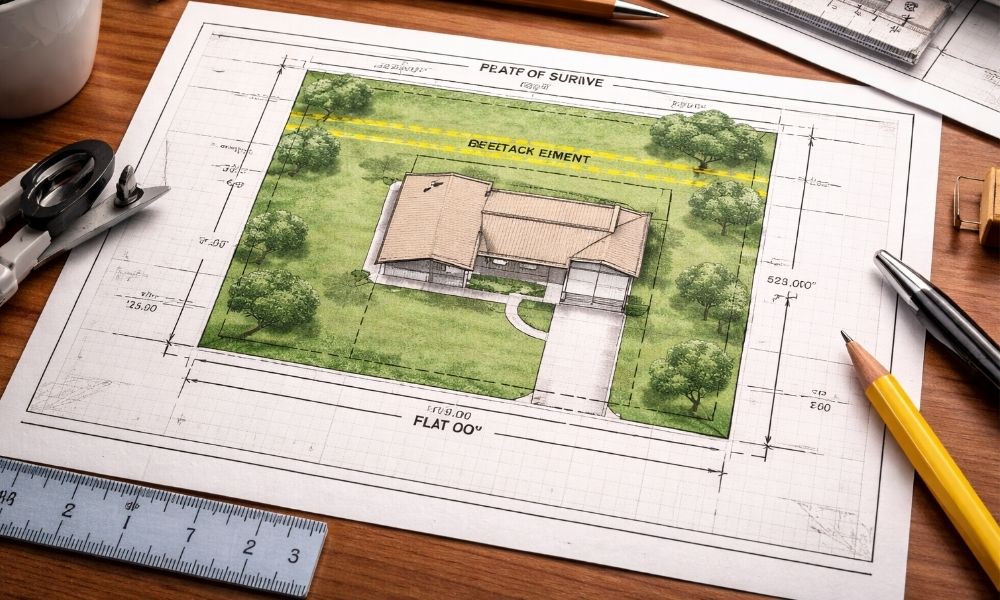
Older waterfront properties may contain outdated legal descriptions, conflicting surveys, or boundary records that no longer match the actual site. An ALTA survey helps uncover these conflicts before buyers take ownership of the property.
Waterfront parcels often pass through many owners over time.
Different surveys, legal descriptions, and recorded documents build up over several decades. Some records conflict with each other. Others use older measurements that no longer match current survey standards.
An ALTA survey helps uncover those problems.
For example, a title document may place the property boundary in one location while fences, walls, or parking areas sit several feet beyond that line in real life.
That creates legal exposure.
Nobody wants to discover after closing that part of the site crosses onto neighboring property.
Fixing those mistakes later can become expensive and time-consuming.
Lenders Pay Close Attention to Waterfront Redevelopment
Lenders often require an ALTA survey before financing waterfront redevelopment projects because these properties carry higher legal, construction, and title-related risk compared to standard commercial sites.
Banks know waterfront projects carry added risk.
Construction costs already run high near water. Insurance costs continue rising in many coastal regions as well. If title problems or boundary disputes appear after closing, lenders face larger financial exposure.
That is why many lenders require an ALTA survey before releasing funds.
They want to confirm:
- Legal access exists
- Buildings stay within property lines
- Easements will not block future development
- Parking layouts meet local requirements
- The legal description matches the site
Without clear survey information, financing delays become more common.
Some deals fail completely because unresolved title issues appear too late.
Table A Items Help Buyers Understand the Property Better
Table A items are optional details added to an ALTA survey that provide extra information about the site, including utilities, parking, flood zones, and access conditions. These details help redevelopment teams make better decisions before closing.
Many buyers hear the phrase “Table A items” during the survey process and feel confused immediately.
Table A items are optional survey details requested by the buyer, lender, attorney, or title company.
Some common examples include:
- Utility locations
- Parking counts
- Flood zone classification
- Access information
- Exterior improvements
- Building heights
- Visible utility features
These details give redevelopment teams a clearer understanding of the property before construction begins.
Some buyers try cutting costs by removing important Table A items from the survey request.
That decision often backfires later.
Unexpected site problems usually cost far more than the added survey work upfront.
Why Ordering the ALTA Survey Early Matters
Starting the ALTA survey process early gives buyers, lenders, attorneys, and surveyors more time to review title issues, easements, and site conflicts before closing deadlines create pressure.
Timing matters during redevelopment projects.
Some buyers wait too long before ordering the ALTA survey. That creates pressure near the closing date. If survey problems appear late, attorneys and title companies must rush to solve them before financing deadlines expire.
A manageable issue can quickly turn into a stressful delay.
Starting the survey process early gives everyone more time to review title exceptions, easements, access rights, and site conditions properly.
It also gives surveyors enough time to handle larger or more complicated parcels without rushing through the work.
Waterfront redevelopment projects already face enough delays tied to permits, engineering, utilities, and financing.
The survey process should not become another avoidable problem.
Buyers who order the ALTA survey early usually avoid the worst surprises before closing.