
How to Choose a Licensed Land Surveyor for Your Development Project
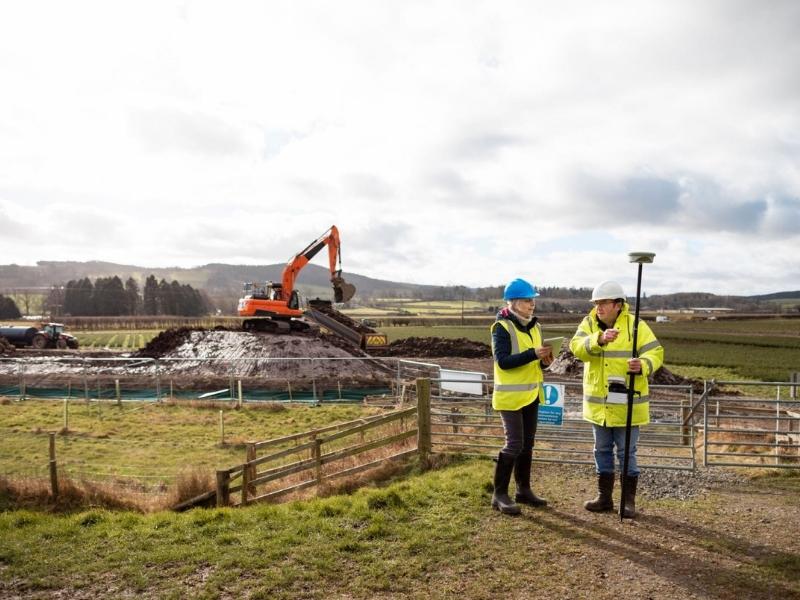
The wrong surveyor can cost you weeks. A rejected survey means a stalled permit. A stalled permit means a delayed construction start. And a delayed start comes straight out of your budget.
Hiring a licensed land surveyor isn’t just a legal requirement. It’s one of the most important decisions you make before breaking ground. Most developers learn this the hard way once. Here’s how to get it right before you hire.
What to Check When Hiring a Licensed Land Surveyor
Every state requires land surveyors to hold an active license issued by the state licensing board. That license number and current status are public records. Look them up before you talk about price with anyone.
An expired or suspended license disqualifies a surveyor immediately. Any survey they sign will be rejected by the permit office, your lender and the title company. Don’t accept a photocopy of a certificate as proof. Go directly to the state board’s online portal and confirm it yourself.
Match Your Licensed Land Surveyor to the Type of Work
Not all licensed surveyors do the same work. Someone who handles residential boundary surveys every day may have little experience with ALTA surveys, large-scale topographic work or multi-phase construction staking.
Ask what survey types they perform regularly. Ask for recent project examples that match the scope of your work. For development projects, look for a firm that can handle:
- ALTA/NSPS land title surveys for commercial transactions
- Topographic surveys for site planning and grading
- Construction staking for building and infrastructure placement
- As-built surveys for permit closeout
A single firm that covers multiple survey types across your project saves time and avoids coordination problems between phases.
Ask About Workload and Turnaround Time
An overbooked surveyor is a problem. Get a straight answer on how many active projects they’re currently running and what their turnaround time looks like for a project like yours. Get that estimate in writing before you commit.
If they can’t give you a clear timeline, move on. Vague answers on delivery dates become missed deadlines.
Review What the Quote Actually Covers
Survey quotes vary more than most developers expect. A low number may exclude title research, monument placement or plat preparation. A higher quote from another firm may include all of it.
Before comparing prices, ask each firm to itemize what their quote covers:
- Title research and deed review
- Field measurements and data collection
- Drafting and final stamped drawings
- Monument placement if required by local code
- Revisions if corrections are needed after review
A quote that looks cheaper may not be once you add up what’s missing.
Confirm Their Insurance Coverage
A licensed land surveyor should carry active errors and omissions (E&O) insurance. This coverage protects you if a surveying error causes financial damage to your project. Ask for a certificate of insurance before signing anything. Confirm the policy hasn’t lapsed.
A surveyor who can’t provide proof of E&O coverage is a risk you don’t need.
Look for Local Permitting Experience
Permit offices have specific formatting rules, submission requirements and review standards that vary by county. A surveyor who regularly works in your jurisdiction already knows those details. Someone unfamiliar with local requirements may produce a technically accurate survey that still gets kicked back for failing to meet a local standard.
Ask how many projects they’ve completed in your county in the past two years. That answer tells you more than their total years in business.
Red Flags to Watch Before You Sign
Some warning signs are easy to miss when you’re focused on price:
- License that can’t be confirmed through the state board
- No references from comparable commercial or development projects
- Can’t break down what’s included in the quote
- No written contract or defined scope of work
- Pressures you to start before a contract is signed
- No proof of current E&O insurance
Any one of those is reason enough to keep looking.
Check References and Actually Call Them
Ask for two or three references from developers or contractors who used them on comparable projects. Then call. Ask whether surveys came in on time, whether the permit office accepted them without issues and whether they’d hire the same firm again.
Most developers skip this step entirely. Don’t be one of them.
Frequently Asked Questions
How do I verify a licensed land surveyor’s credentials?
Go to your state’s professional licensing board website and search by name or license number. The record shows whether the license is active, expired or suspended. It takes less than five minutes and should always be your first step before hiring.
Can a professional engineer perform a land survey?
A licensed professional engineer cannot sign and certify a land survey unless they also hold a separate land surveyor license. The two licenses are distinct. A survey signed by an engineer without a surveyor license will be rejected at permit review.
What is errors and omissions insurance for surveyors?
E&O insurance covers financial losses caused by mistakes in a surveyor’s work. If a measurement error causes a setback violation or triggers a legal dispute, E&O coverage protects the client from absorbing that cost. Always ask for a current certificate before signing a contract.
How many quotes should a developer get before hiring a surveyor?
Get at least three written quotes for any project. Compare them line by line based on what each one includes, not just the total. For large commercial or multi-phase projects, the difference between quotes on scope and deliverables can be significant.
What should a land survey contract include?
The contract should specify the survey type, the full scope of work, all deliverables, the timeline, the total cost and what happens if revisions are needed. Never start a project without a signed written agreement.