
Why an Elevation Certificate May Need Revision After a Lower Enclosure Changes
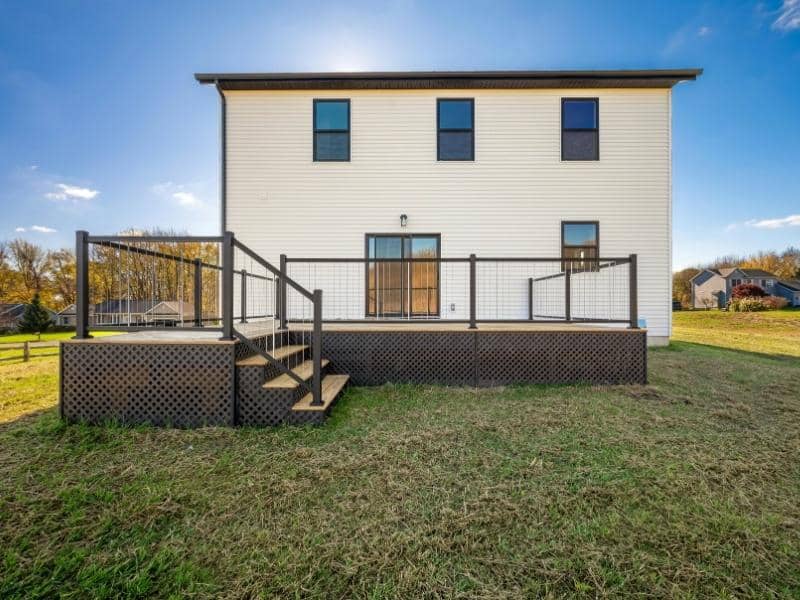
An elevation certificate gives important information about a home in a flood zone. Many homeowners think they only need this document once. But changes to the lower part of a home can make an old certificate out of date. For example, a homeowner may close in an open area for storage. A garage may be changed. Flood vents may also be added or removed.
These changes can affect the information shown on the elevation certificate. This is important in flood-prone areas where homes may have an elevated main floor with a garage, storage area, or other enclosed space below it.
Here is what homeowners should know about updating an elevation certificate after making changes to a lower enclosure.
Why Lower Enclosure Changes Can Affect Elevation Records
An elevation certificate records important details about a building and its height compared with flood levels. It may include information about the lowest floor and any enclosed space below it. It can also include details about flood openings or vents.
If the lower enclosure changes, the old certificate may no longer match the home.
For example, changes may include:
- Closing in an open area
- Changing the size of an enclosure
- Adding or removing flood vents
- Changing how the lower area is used
This information may be important for flood insurance, permits, or a future property sale.
If the certificate no longer matches the home, a new or revised elevation certificate may be needed.
Checking Flood Openings and Floor Elevations
Flood openings are important for some homes in flood zones. These openings allow floodwater to move into and out of an enclosure. This can help reduce pressure on the walls during a flood. An elevation certificate may record information about these openings, such as their number and size. This information may also be reviewed when floodplain permits are needed for changes to the lower enclosure.
If vents are added, removed, covered, or changed, the information on an older certificate may no longer be correct. The floor elevation of the lower enclosure may also need to be checked.
Changes to the floor, foundation, or nearby ground can affect building elevations and other information on the certificate. A surveyor can take new measurements to show the current conditions. These measurements can then be compared with the flood information for the property.
Comparing the Old Certificate With Current Conditions
Before updating an elevation certificate, a surveyor may compare the old certificate with the home as it looks today.
This helps show what has changed.
Some changes may be small. Other changes may affect important information on the certificate.
Common differences can include:
- A different number of flood vents
- A larger or smaller enclosed area
- Changes to the lower floor
- Changes in how the enclosure is used
- New grading or fill around the home
The property’s current flood information should also be checked.
Flood maps and other flood information can change over time. An older elevation certificate may have been prepared using information that has since been updated.
When a Revised Elevation Certificate May Be Needed
A revised elevation certificate may be needed when changes to the home affect information shown on the old certificate.
This can happen after projects such as:
- Enclosing an open carport
- Adding walls to a lower area
- Adding or removing flood vents
- Changing the size of an enclosure
- Making changes to the lower floor
- Completing other structural work
An updated certificate may also be requested when selling or refinancing a home.
The exact requirements can depend on the property, type of work, lender, insurer, and local rules.
Homeowners should check with the building department and insurance provider to find out whether an updated elevation certificate is needed.
Updating the Certificate Before Project Closeout
If the lower enclosure is part of a permitted project, it is a good idea to ask about elevation certificate requirements before the work is finished.
Some projects in flood zones may need updated flood information before the permit can be closed.
Waiting until the end of the project can cause delays if more measurements or documents are needed.
Before project closeout, check:
- Whether an updated elevation certificate is required
- Whether flood openings match the approved plans
- Whether needed elevations have been measured
- Whether the building department needs a copy
- Whether your flood insurance provider needs updated information
Requirements can be different depending on the property and project.
Checking early gives the homeowner, surveyor, and contractor more time to make sure the needed information is ready.
If the certificate is needed for a sale, refinance, insurance review, or permit closeout, contact a surveyor as soon as the enclosure work is complete.