
The Average Cost for a Land Survey on Property With a Private Access Road
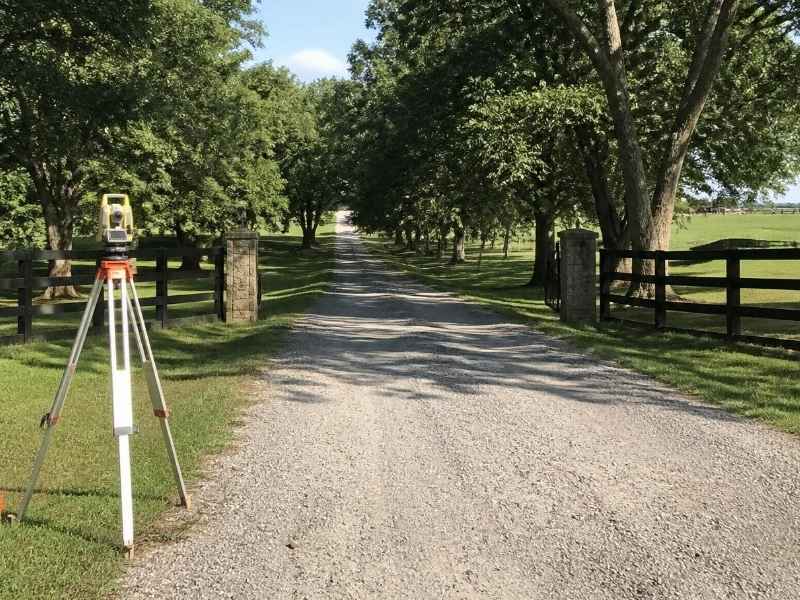
A private access road changes your survey price. A plain square lot is quick to measure. A long road that reaches back to your home is not. That extra land takes more time, and time drives cost. The average cost for a land survey grows once a private road is part of the job.
The average cost for a land survey is what most owners pay for the work. It covers the field crew, the research, and the final map. No two properties cost the same. Size, shape, records, and access all move the price.
Know this before you call for a quote. A survey that includes a private road often costs more than a basic lot survey. That’s normal, not a red flag. This guide shows what drives the price, so you can plan and compare quotes with clear eyes.
Property Size and Road Length That Influence the Average Cost for a Land Survey
Size is the biggest cost driver. A larger parcel takes more time to measure. The crew walks more ground and sets more points. More field time means a higher price.
A private access road adds to that size. The road is a strip of land the crew must survey too. A short driveway adds little. A road that runs a quarter mile or more adds real time and cost.
Road length matters in two ways. First, the crew measures the road itself. Second, they check the land and lines along both sides. A long road means more corners, more brush, and more distance to cover.
Here’s what tends to raise the price on these jobs:
- More total acreage to cover
- A longer road with more bends
- More property corners to find or set
- Extra research on the road’s legal rights
Ask the surveyor how they price by size and road length. A clear answer helps you plan. It also helps you compare quotes on the same terms.
Private Access Roads, Shared Use, and Survey Complexity
A private road often adds legal questions. The road may cross other land to reach yours. It may be shared with neighbors. Each of these facts can make the survey more complex.
Shared roads bring extra research. The surveyor checks who has the right to use the road. This right is often set by an easement. An easement is a legal right to use part of someone else’s land.
Finding and mapping that easement takes time. The crew reads deeds and records to see where it runs. They may need to mark its edges in the field. This work adds to the average cost for a land survey.
Access itself can slow the crew down. A locked gate or a rough road makes travel harder. Some jobs need permission to cross a neighbor’s land. Sorting this out before the crew arrives saves both time and money.
Existing Records, Easements, and Property Evidence That Affect Pricing
Good records lower your cost. A recent, clear survey gives the crew a strong start. They can build on solid data instead of starting fresh. Less research often means a lower price.
Weak records raise the cost. An old deed with vague words takes time to sort out. The surveyor must match old language to the land today. This research is slow and careful work.
Property evidence also shapes the price. Evidence includes old markers, fences, and monuments in the field. A monument is a physical marker that sets a property corner. Clear, easy-to-find markers speed the job up.
Missing or buried markers do the opposite. The crew must search, measure, and sometimes set new ones. On a property with a private road, markers may sit far apart. That spread adds time to the field work.
Easements deserve a second look at these jobs. Beyond the road, a parcel may hold utility or drainage easements. Each one may need research and mapping. The more that must be shown, the more the survey can cost.
Field Conditions That Can Add Time to the Survey
The land itself affects the price. Open, flat ground is quick to survey. Thick brush, trees, and water slow the crew down. Hard conditions mean more hours in the field.
A private road often runs through rough land. It may cut through woods or low, wet areas. The crew has to reach every corner along the way. Dense growth can hide markers and block the line of sight.
Wet ground is a common issue on many sites. Standing water and soft soil make travel slow. Drainage ditches and canals add lines to check. These features are common near low-lying areph and take extra care to map.
Weather and season can play a role too. Heavy rain can flood a site and delay the crew. Tall summer growth can hide markers that show in winter. Ask if the timing of your job could affect the cost.
Terrain changes add work as well. A road that climbs or dips needs more measuring. Steep or uneven ground slows every step. All of this feeds into the average cost for a land survey.
Estimating the Average Cost for a Land Survey Before Scheduling the Work
You can prepare before you ask for a quote. A little homework helps the surveyor price the job well. It also helps you avoid surprise charges later. Start by gathering what you already have.
Pull together these items if you can:
- Your deed and any past survey maps
- Your parcel number or property ID
- Notes on the private road and who uses it
- Any easement or title papers you hold
Share the road details up front. Tell the surveyor how long the road is and if others use it. Mention any gates, rough spots, or access limits. These facts help them give an accurate quote.
Ask for a written estimate that lists the work. A clear quote shows what is and isn’t included. Check if items like extra research or new markers cost more. This helps you compare surveyors fairly.
Prices vary by property type, records, access, and project scope. They also vary by county and title needs. Confirm your survey needs early, since closing or permit timing may depend on the work. A quick talk with a licensed surveyor can turn a rough guess into a firm plan.