
A Property Survey for Fence Placement Around Shared Mailboxes and Utility Boxes
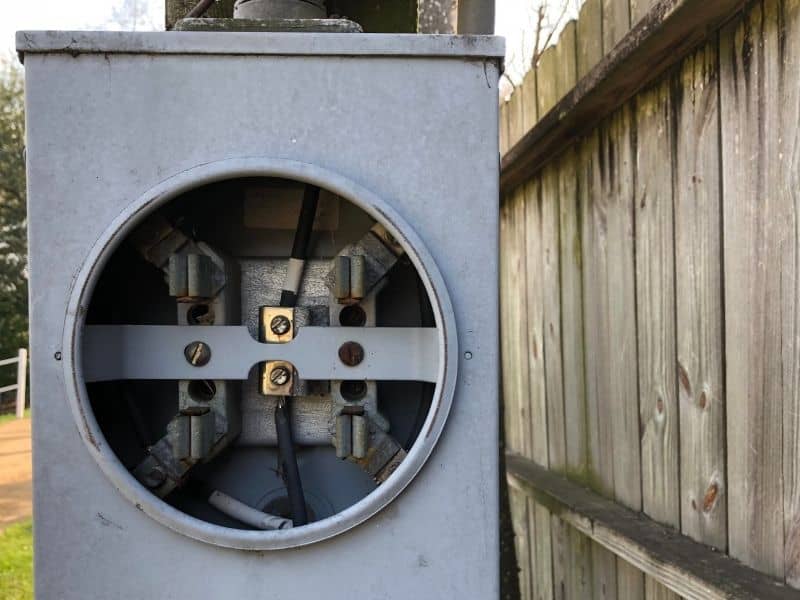
Shared mailboxes and utility boxes are often close to property lines. They may be near the front yard, side yard, or street. These are also common places where homeowners want to build fences. Before building a fence, it is important to know exactly where your property line is. You should also check for easements and areas that workers may need to reach.
A property survey for fence placement can help. It shows the property boundaries and recorded easements that may affect your fence plans. This can be important in neighborhoods where several homes may share mailbox areas or have utility boxes near property lines.
Here are some things to check before building a fence near shared mailboxes or utility boxes.
Confirming Property Lines Before Setting the Fence Route
The first step is finding the true property line.
A property survey shows the legal boundary of your lot. This helps you decide where the fence can go without crossing onto a neighbor’s property. Do not assume that an old fence, hedge, or stake marks the true boundary. These features may have been placed without a survey.
This can happen in older neighborhoods where fences have been replaced or moved over the years. A surveyor checks property records and looks for boundary markers in the field. This information is used to find the property line. Knowing the boundary is especially important near shared mailboxes and utility boxes because these features may be close to more than one property.
Checking Easements Around Utility Boxes and Mailboxes
An easement is an area where another person or company may have certain rights to use part of the property.
Utility easements are common along the front, side, or back of residential lots. They may be used for:
- Power lines
- Water lines
- Sewer lines
- Cable lines
- Other utility equipment
A utility company may need access to these areas for repairs or maintenance.
Shared mailbox areas may also have easements or be part of a common area used by several homes.
A property survey can show recorded easements near the planned fence.
Before building, check whether the fence can be placed in or near these areas.
Keeping Access Open Around Shared Equipment
Mail carriers and utility workers need enough room to reach shared equipment.
A fence should not block a mailbox or make it difficult for workers to reach a utility box.
Even if the fence is inside your property line, there may still be rules about how close it can be to certain equipment.
Before choosing the fence route, check:
- Clearance needed around shared mailboxes
- Space needed around utility boxes
- Utility company access rules
- HOA fence rules
- Whether a gate or opening is needed
The rules may be different depending on the utility company, mailbox location, or neighborhood.
Checking these requirements before construction can help prevent problems later.
Checking Existing Features Near the New Fence
A property survey can also show visible features near the planned fence.
These may include:
- Existing fences
- Driveways
- Walls
- Sheds
- Landscaping
- Other improvements
Sometimes an old fence or another improvement is not located exactly on the property line.
A survey can help identify this before the new fence is built.
It is also important to check for underground utilities before digging fence post holes. A property survey does not always show the exact location of underground lines.
A utility locate service may be needed before digging begins.
Using both the survey and utility information can help your contractor plan the fence more safely.
Using the Survey Before Installing the Fence
The survey should be reviewed before fence posts are placed.
Moving a planned fence line is much easier before construction begins than after the fence has already been installed.
Give the survey to your fence contractor so the contractor can understand the property boundaries and recorded easements.
Before installation, check:
- That the fence does not cross the property line
- That recorded easements have been reviewed
- That mailbox access stays open
- That utility workers have enough access
- That HOA rules have been checked
- That any needed permits or approvals are ready
Fence rules can depend on the property and neighborhood.
Check current requirements with the City of Fort Myers, Lee County, your utility provider, and your HOA when they apply to your property.
Starting early can also help if you need approval before the fence can be built.
Frequently Asked Questions
Do I need a survey to install a fence in Fort Myers?
It depends on the property and local requirements. Even when a survey is not required, confirming the property line can help prevent a fence from being placed on a neighbor’s land.
Can I build a fence next to a utility box?
There may be rules about how much open space must remain around a utility box. Check the recorded easement and ask the utility provider about its access requirements before building.
What if my neighbor’s fence is already near the property line?
A survey can show how the existing fence is located compared with the property boundary. If there is a problem, talk with your neighbor before installing another fence.
Can I build a fence near a shared mailbox?
Possibly, but the fence should not block access to the mailbox. Check for easements, HOA rules, and other requirements before choosing the fence location.
How long does a property survey for fence placement take?
The time can vary based on the property, available records, and the surveyor’s schedule. Start early if you need the survey for an HOA approval, permit, or planned installation date.