
A Land Survey for Fence Replacement When HOA Plans Do Not Show the Full Lot
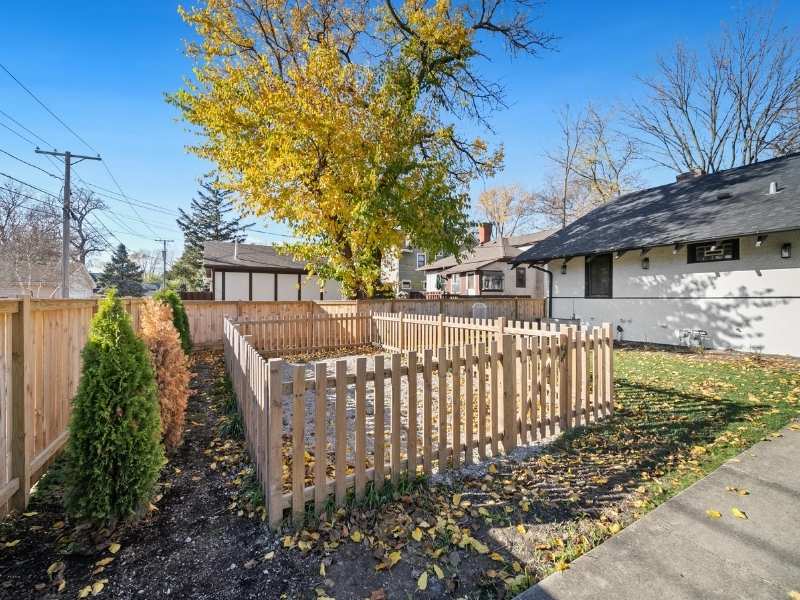
Your old fence is falling apart, so you pull the HOA file to plan the new one. The drawing shows your house, the street, and a rough box for the yard. What it does not show is where your lot actually ends. A land survey for fence work fills that gap, because HOA plans were never built to mark legal boundaries. Skip the survey, and you risk setting a new fence in the wrong spot on someone else’s dime.
Why HOA Plans May Not Show the Complete Property Boundary
HOA records serve the community, not your lot lines. Most HOA files hold site plans and architectural drawings meant to review the look of a home, its color, its roof, its general placement. They answer questions about design and approval. They rarely pin down the exact corners of your parcel.
Those documents come from different sources than a survey. A subdivision plat lays out the whole neighborhood and its lots, but it shows platted dimensions, not the marked corners on your ground today. An architectural drawing shows a building, often with the lot drawn as a simple shape. Neither one is measured by a surveyor to locate your legal boundary in the field.
A land survey is the document built for that job. A licensed surveyor measures the property, finds the corner evidence, and shows where the lines truly run. It ties the paper description to the dirt. That link is the piece HOA plans leave out, so leaning on HOA records alone can put your fence in the wrong place.
How a Land Survey Helps Before Replacing a Fence
A survey answers the one question a fence project lives or dies on: where is the line? The surveyor locates your boundaries and marks the corners so a contractor has real points to build from. That takes the guesswork out of layout. It also protects you if a neighbor questions the new fence later.
The work goes past the property line itself. A surveyor looks for corner evidence, like iron pins or markers left from earlier surveys, and checks whether they still hold. They also record easements and the improvements already on the ground. You learn what sits on your lot, what crosses it, and what rights other parties may hold there.
That picture matters most right before you replace a fence. The old fence is coming down, so you have a rare clean chance to reset the new one correctly. Build off a current survey, and the new line is defensible. Build off memory or an HOA sketch, and you may be moving a fence twice.
Property Lines, Easements, and HOA Setback Requirements
Knowing the boundary is only half the story. Recorded easements can limit where a fence goes even when the line is clear. A utility easement along the rear or side of a lot may bar a permanent fence, or give a utility the right to remove one for access. A survey shows those easements so you plan around them.
HOA rules add another layer on top of the law. Many associations set their own fence rules, like a required setback from the property line, an approved height, or a specific material and color. Some want the fence held back a foot or two from the boundary for maintenance. Those rules can move your fence inside the line you just confirmed.
Local setback and permit rules can apply too, separate from the HOA. A city or county may control how close a fence sits to a corner, a sidewalk, or a drainage feature. Line up the survey, the HOA rules, and the local code together. Where they disagree, the strictest one usually governs where the fence can sit.
Why the Existing Fence Should Not Automatically Be Treated as the Boundary
It feels safe to just follow the old fence. It is not. Fences get built in the wrong place all the time, and that error can carry forward for decades. Setting the new fence on the old line can lock in a mistake you did not make.
Here are common reasons an old fence misses the true line:
- It was installed by eye, without any survey to guide it
- It was offset on purpose to leave room for mowing or access
- It sits on a shared line, and neither neighbor knows the exact split
- It shifted over time as posts were replaced or the ground moved
- An earlier owner placed it based on a guess or a handshake
Any one of these can leave a fence a foot or more off. Copy that fence, and you may cross onto a neighbor’s land or give up part of your own. A survey checks the old fence against the real boundary before you commit. If they match, great. If they do not, you fix it now instead of in a dispute.
What Property Owners Should Confirm Before Fence Installation
Pull a few things together before the first post goes in. Start with the survey results, and make sure you understand where the marked corners and lines fall. Ask the surveyor to flag any easement or improvement that could affect placement. That review turns the drawing into a plan you can act on.
Run down this short checklist before install day:
- Confirm the boundary and corners from a current land survey
- Get written HOA approval for the fence design, height, and location
- Check local permit rules and pull any permit the city or county requires
- Give the contractor the survey so their layout matches the marked line
- Decide fence placement with easements and setbacks already accounted for
Timing helps here too. A survey done before you sign with a fence contractor lets you set the price and layout around facts, not assumptions. It also gives the HOA and the permit office the proof they often want to see. Spend a little on the survey up front, and you cut the odds of a boundary dispute or a costly fence move after the job is done.